
In modernen Logistikautomatisierungssystemen spielt die CC600-Kistenförderkette in Amsterdam eine entscheidende Rolle. Mit der kontinuierlichen Weiterentwicklung der Lager- und Sortiertechnologien stellen Unternehmen immer höhere Anforderungen an Stabilität, Effizienz und...
Kettenrad
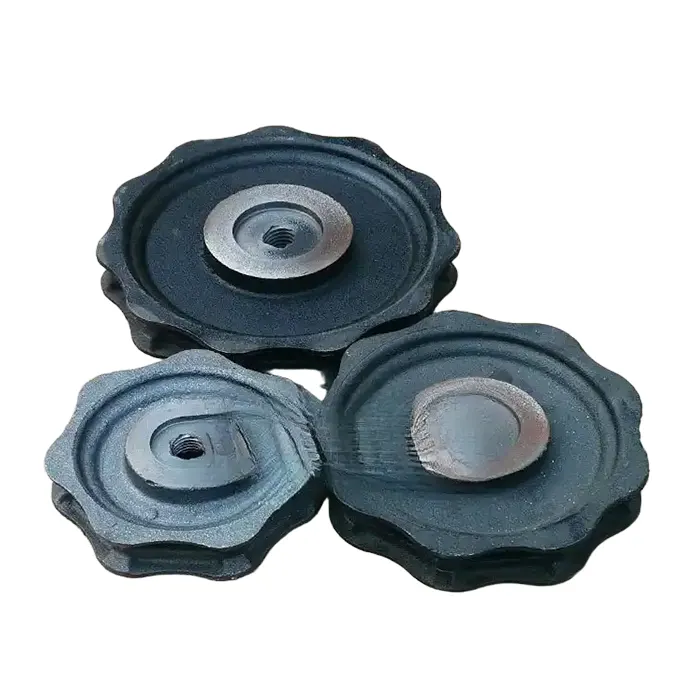
The hoist sprocket is a key power transmission component in lifting equipment, which works in conjunction with the chain to achieve the lifting and lowering of heavy objects. Its design, material and structure directly affect the reliability, safety and service life of the equipment.
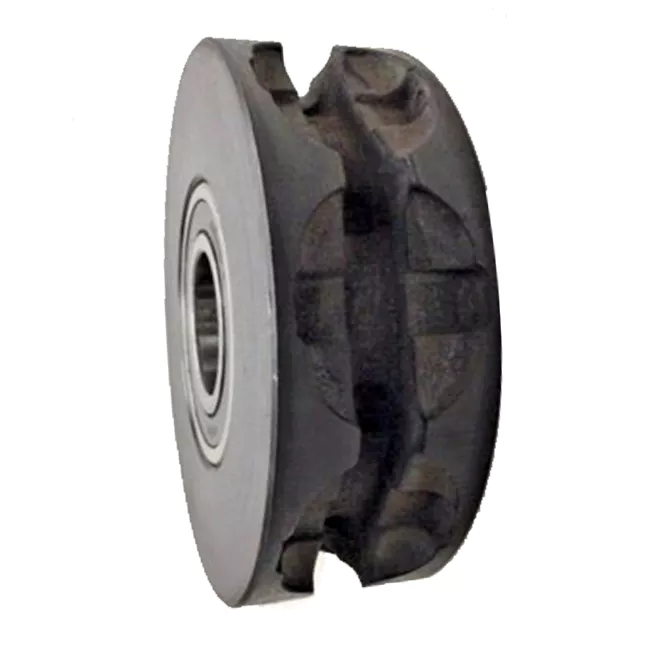
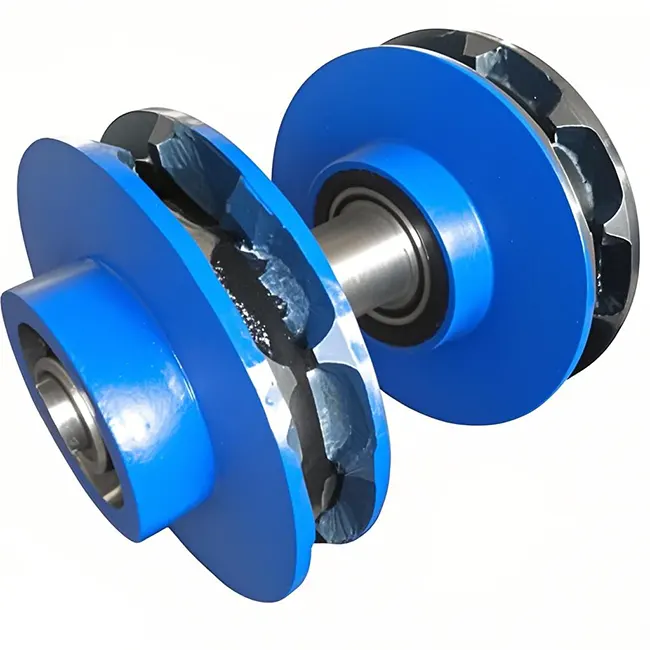
The hoist sprocket is a key component used in lifting machinery, whose main function is to lift and lower the load by cooperating with the chain. Lifting sprockets are usually made of high-strength ductile iron with needle roller bearings inside to provide high strength and good carrying capacity.
Hoist Chain Sprocket Structure and Function
Kernstruktur
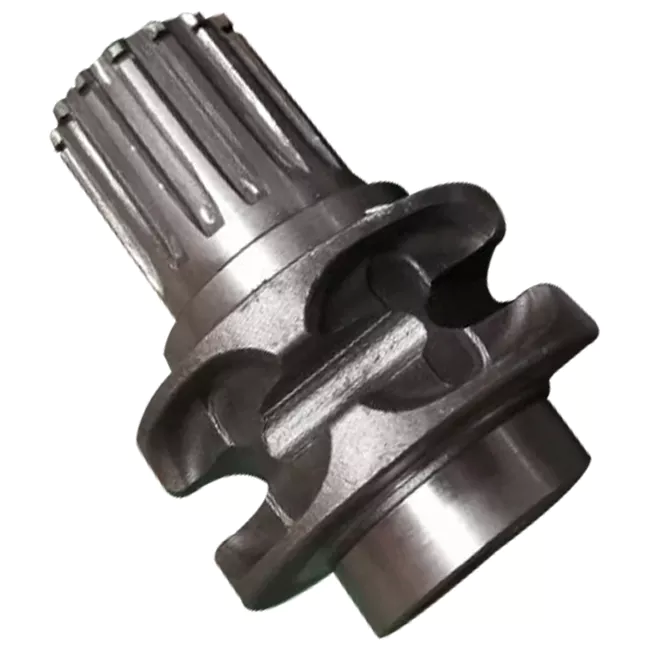
Lifting hoist sprockets are usually composed of the wheel body, chain grooves (tooth grooves) and shaft holes. The shape and size of the chain socket need to be precisely matched with the links of the chain to ensure smooth meshing of the chain during the transmission process and reduce impact and wear.
Power transmission mechanism
The rotation of the sprocket drives the chain to move, and the chain links of the chain are inserted into the chain socket to achieve the transmission of power. The tooth profile design of the sprocket should ensure that there is no interference when the chain is meshed in and out, avoiding tooth skipping or chain jamming.
Braking and limit function
Some hoisting sprockets are integrated with load-limiting devices or thrust washers to prevent the chain from overloading or the sprocket from reversing. For instance, the load-limiting hand sprocket avoids unstable braking caused by brake pad wear through the load-limiting device, while the thrust washer can prevent the sprocket and nut from locking when the chain drops to the limit position.
Application Scenarios of Hoist Sprockets
-
Handkettenzug
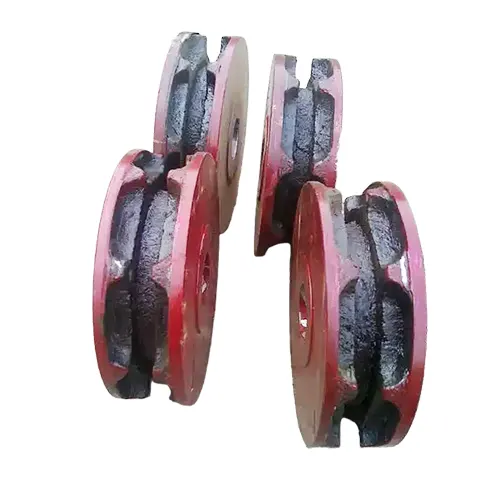
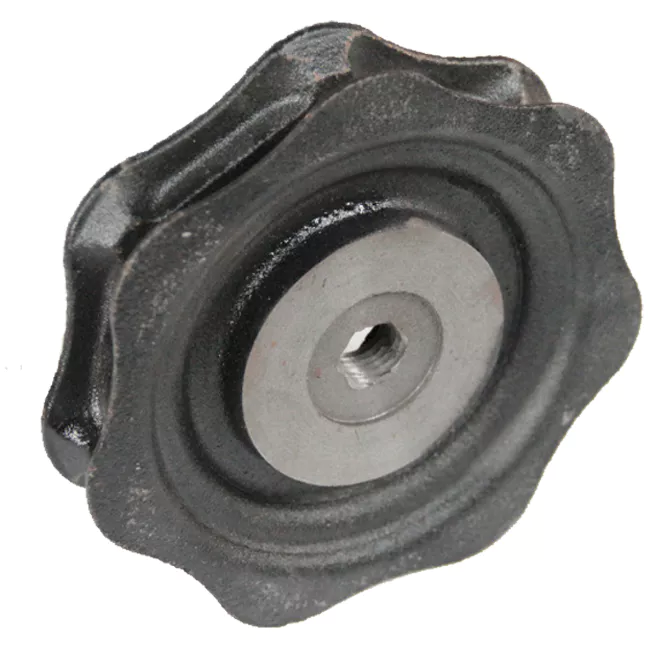
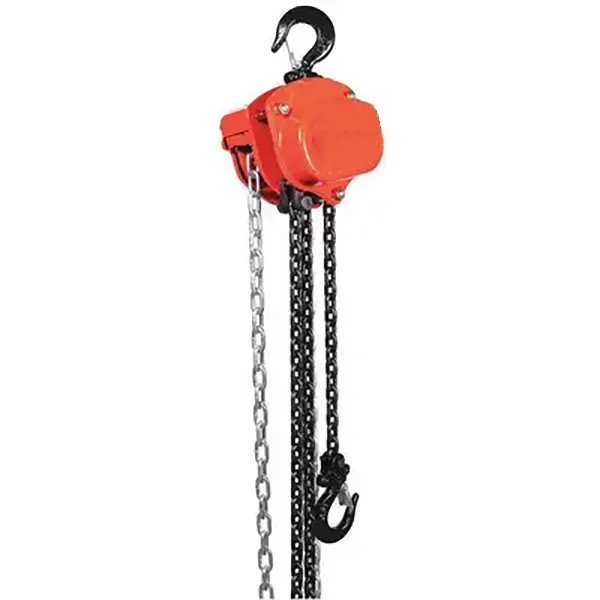
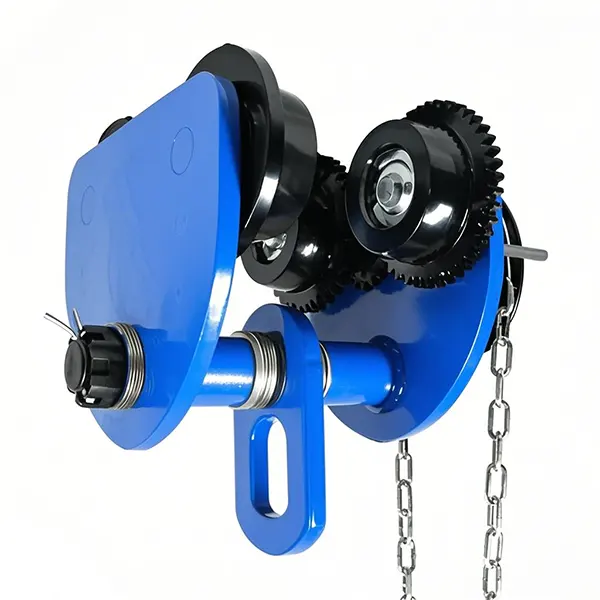
The hoist sprocket is the core component of the hand chain hoist. Through the rotation of the sprocket, it drives the chain to move, achieving the lifting and lowering of heavy objects. Manual chain hoists are widely used in construction, warehousing, logistics and other fields.
 |
 |
 |
 |
-
Electric hoists and cranes
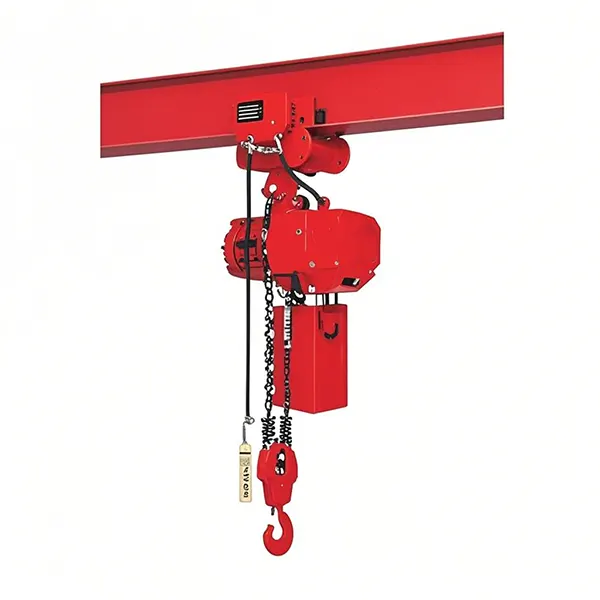
In electric hoists and cranes, the chain hoist sprocket works in conjunction with the chain to achieve precise hoisting and positioning of heavy objects. The design of the sprocket needs to meet the requirements of high load and high efficiency.
 |
 |
 |
 |
-
Special working condition equipment
In high-temperature, humid or oily environments, the hoist sprocket needs to have good corrosion resistance and wear resistance to ensure the reliable operation of the equipment.
Materials and Manufacturing Processes of Hoist Chain Sprockets
-
Hochfestes Material
Sprockets for hoists are usually made of high-strength ductile iron or alloy steel to ensure reliability and durability under heavy load and high-stress conditions. For instance, ductile iron has the advantages of high wear resistance, good lubricity and high casting efficiency. -
Herstellungsprozess
The chain socket needs to be cast in one go to ensure dimensional accuracy and surface quality. If the casting or spheroidization is not up to standard, it may lead to a decrease in the toughness of the sprocket and even cause it to break.
Hoist Sprocket Design
-
Zahnprofildesign
The tooth profile of the hoist sprocket needs to be precisely matched with the links of the chain to ensure smooth operation of the chain during meshing, reducing impact and wear. Unreasonable tooth profile design may lead to tooth skipping or chain breakage. -
Festigkeit und Verschleißfestigkeit
The chain hoist sprocket needs to bear the weight of the chain and the heavy object. When designing, the strength of the gear teeth needs to be calculated to ensure that fatigue fracture does not occur during long-term use. Meanwhile, the surface of the sprocket needs to be hardened to enhance its wear resistance. -
Buffering and shock absorption performance
The sprocket for hoist needs to have certain buffering and shock absorption performance to reduce the vibration and noise of the chain during the transmission process and extend the service life of the equipment.

Common Problems with Hoist Sprockets
| Aufgabenstellung: | Beschreibung | Die Lösung |
|---|---|---|
| Excessive Wear or Tooth Deformation | Over time, sprocket teeth can become worn, chipped, or deformed due to load stress or poor lubrication. | Regularly inspect sprockets for signs of wear. Replace worn sprockets promptly to prevent additional damage to the chain and reduced lifting efficiency. Ensure proper lubrication to minimize friction. |
| Improper Chain Engagement | Misalignment between the sprocket and the chain can cause the chain to skip or derail, leading to uneven wear or failure. | Check alignment regularly and realign components as needed. Ensure that the chain matches the sprocket pitch and size. |
| Korrosion und Rost | Exposure to moisture or corrosive environments can lead to rust and pitting on sprocket surfaces. | Use corrosion-resistant materials or coatings. Implement routine cleaning and apply protective lubricants to minimize rust. |
| Cracks or Structural Damage | Heavy loads or impacts can cause cracks in the sprocket body or teeth. | Perform regular visual and non-destructive inspections. Replace any sprockets showing signs of cracking to avoid catastrophic failure. |
| Unsachgemäße Installation | Incorrect installation may lead to poor performance, accelerated wear, or unsafe operation. | Follow manufacturer guidelines during installation and maintenance. Ensure all fasteners are properly torqued and components are securely mounted. |
Where to Buy Hoist Sprockets? Contact Us for Premium Solutions!
Looking for reliable hoist sprocket suppliers or high-quality hoist sprockets for sale? Our company specializes in manufacturing and exporting custom hoist sprockets and OEM hoist sprockets tailored to global clients’ needs. Whether you require standard models for immediate replacement or bespoke designs for specialized machinery, our team ensures precision engineering, durable materials, and competitive pricing.
Bereit, Ihre Ausrüstung zu aktualisieren?
Request a Quote Today for bulk orders, OEM partnerships, or customized hoist sprockets.
Kontakt via email/phone/chat—our team is eager to assist!
Don’t compromise on quality. Partner with a trusted hoist sprocket manufacturer like us and elevate your machinery’s performance!
Blogs aktualisiert
Aufbau und Konstruktionsmerkmale von Kettenrädern in Kratzerförderern
In diesem Artikel werden hauptsächlich die strukturellen Designmerkmale des Kettenrads anhand seiner Rolle im Kratzerförderer erläutert und analysiert. Daraus ergibt sich die Notwendigkeit, das Material und die Verarbeitungstechnologie des Kettenrads sowie die wichtigsten technischen Aspekte zu erforschen.
Normen für die Verschrottung und den Austausch von Kettenrädern für elektrische Hebezeuge
Der Verschrottungs- und Austauschstandard des Hubkettenrads des Kettenzugs ist ein sehr wichtiges Sicherheitsproblem. Das Hubkettenrad ist ein wichtiger Bestandteil des elektrischen Hebezeugs. Sobald es unbrauchbar wird, muss es rechtzeitig ausgetauscht werden, um sicherzustellen, dass ...